


Aba Sports Club: Legacy Of A Foremost Social Institution That Shaped Aba
Aba Sports Club – With the establishment of European commercial enterprises in Aba during the early 20th century, British traders and administrators began settling in significant numbers.
Companies such as GB Olivant, J-Allen, Beewack, and Kingsway Stores established prominent business operations in the burgeoning commercial centre.
These British citizens, primarily concerned with protecting and expanding their investments, resided in an area they designated as the European Quarters, now known as the Government Reserved Area (GRA). As their population grew, these expatriates sought a recreational establishment for relaxation after work.
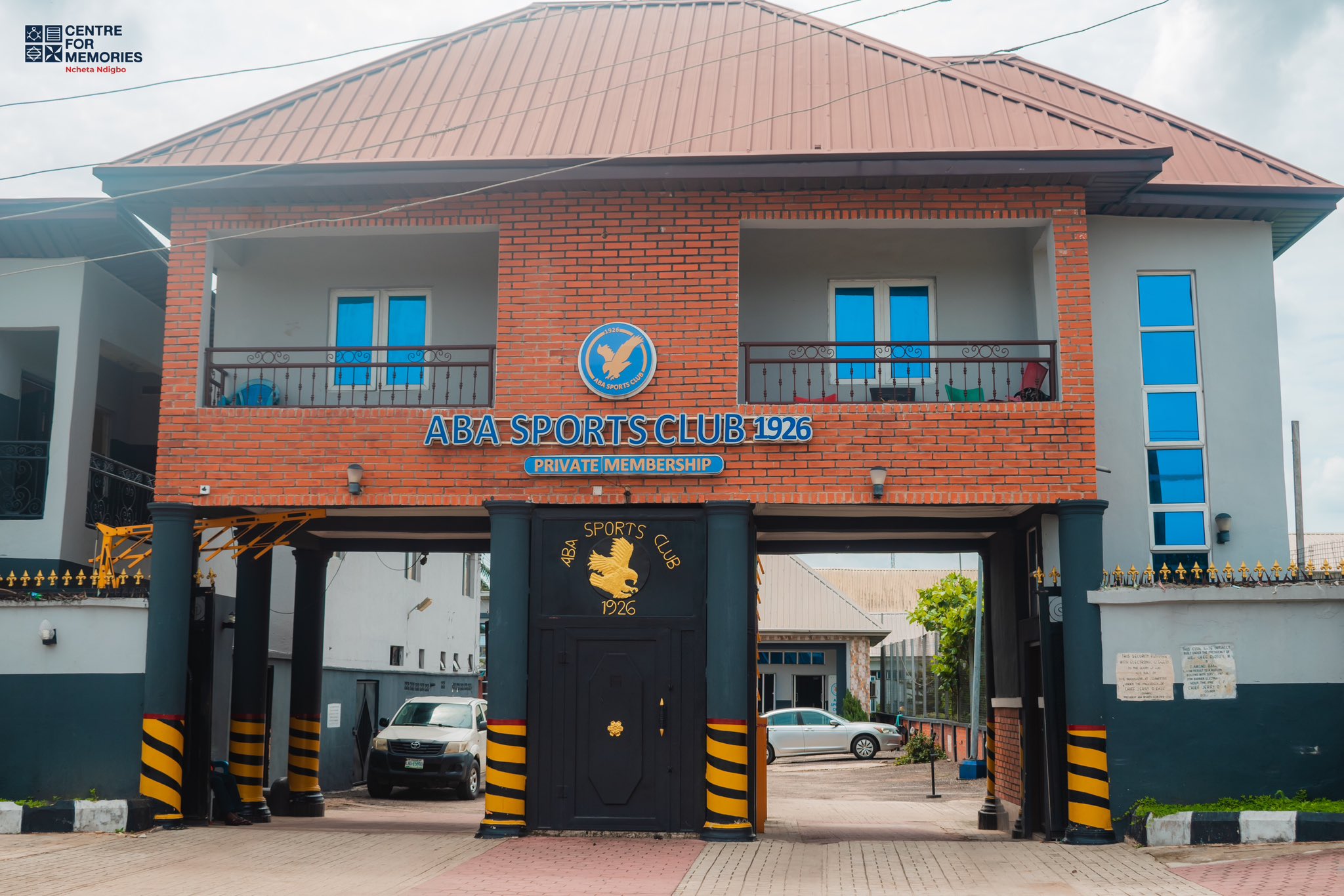
Initially, they gathered informally in private residences until 1921, when they formally established the “Aba European Club.” The colonial government allocated a substantial parcel of land for this purpose, a portion of which remains the club’s location today. On 12th March 1926, the Aba European Club was officially incorporated as a legal entity.
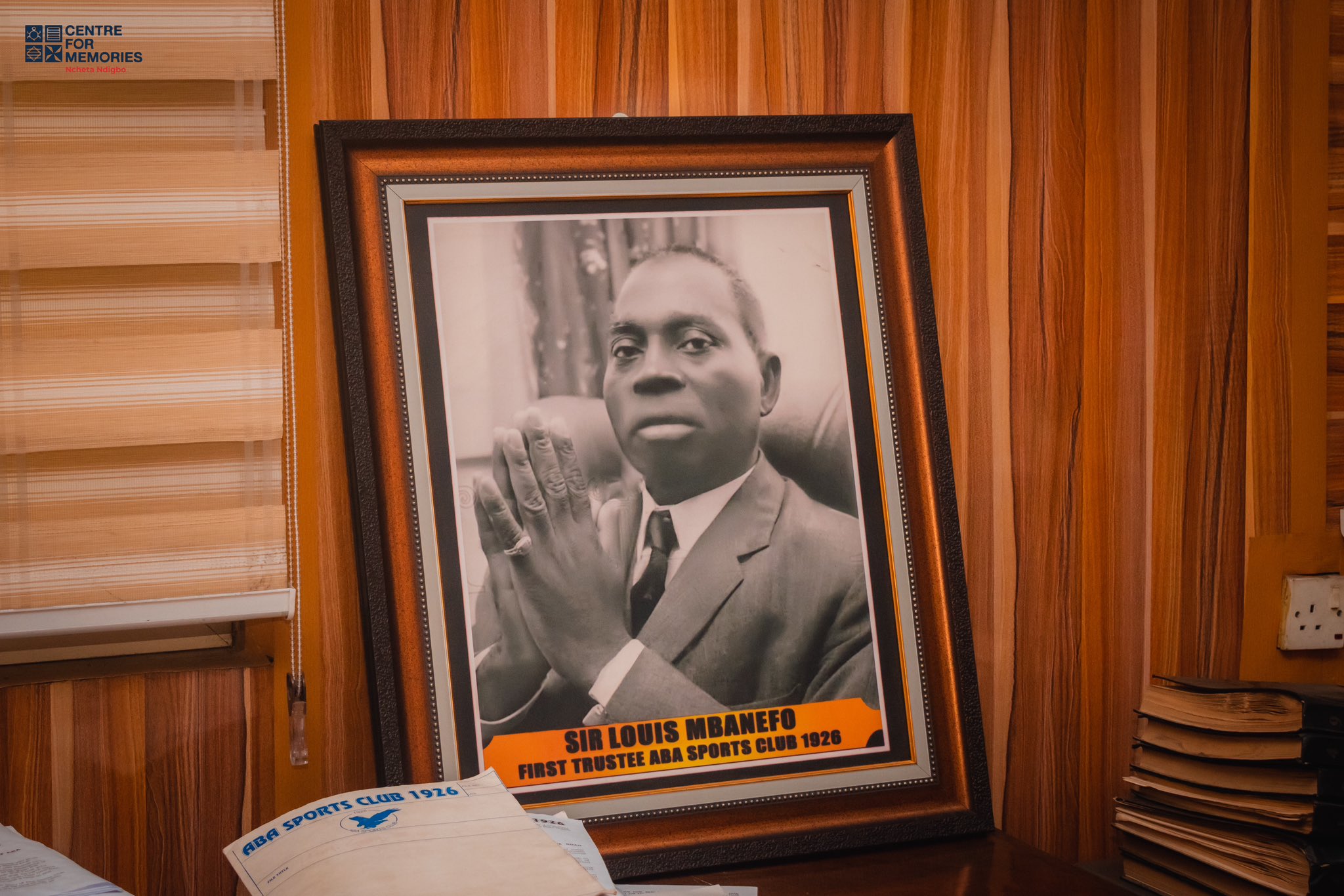
The club maintained its Europeans-only policy until educated Nigerians returning from abroad gradually gained admission. Sir Louis Mbanefo, a lawyer and future High Court judge, became the first African member, followed by Dr Femi Pears of Aba General Hospital. Subsequently, Epi Johnson became the third African member, Senior Police Officer Okemiri Mba the fourth, and the General Manager of Eastern Nigerian Development Corporation the fifth.
Sir Onyenso Nwachukwu OFR, the sixth African member, remains the club’s most senior member today. As a member and Chief Whip of the Eastern House of Assembly, he proposed renaming it to “Aba Club” in June 1962 following Nigeria’s independence. He also hosted the first Nigerian wedding reception at the club on 1st December 1962.
British officials continued to lead the club until 1970 when Mr Raleke Nwosu became its first Nigerian President. Growing interest in sporting activities prompted another name change to “Aba Sports Club” on 14th October 1982.
Today, the club welcomes members of all nationalities who meet admission requirements. It maintains reciprocal arrangements with affiliated clubs throughout Nigeria. Led by a management committee under President Sir Chris Agbo KJW, the club is overseen by trustees Chief Leo Ike Okoye, Nze Marculay Alozie Nwankwo, and Chief Tony Emeruem. Elder Chibuike Nwokeukwu notably served as the Honorary 60th President.
The Aba Sports Club now offers diverse recreational facilities including tennis, table tennis, squash, swimming, and golf. Its vision is “to be recognised as a reputable Sports Club in Nigeria that promotes healthy lifestyle through the provision of a diverse range of viable sport, recreation and leisure activities.”
From its exclusive colonial beginnings to its current status as a community institution, the Aba Sports Club’s evolution mirrors Nigeria’s journey from colonial rule to independence and beyond.
This article written by Centre for Memories, Ncheta Ndigbo, in the commemoration of Aba 130 Years, to honour the social institutions that have shaped the city’s identity and how they have evolved to reflect Nigeria’s progress toward self-determination and cultural pride.
